OSP Under Threat: Ayariga and Dafeamekpor Move to Repeal Act 959, Restore Powers to Attorney-General
Bill seeks to abolish the Office of the Special Prosecutor and consolidate anti-corruption powers under the Attorney-General
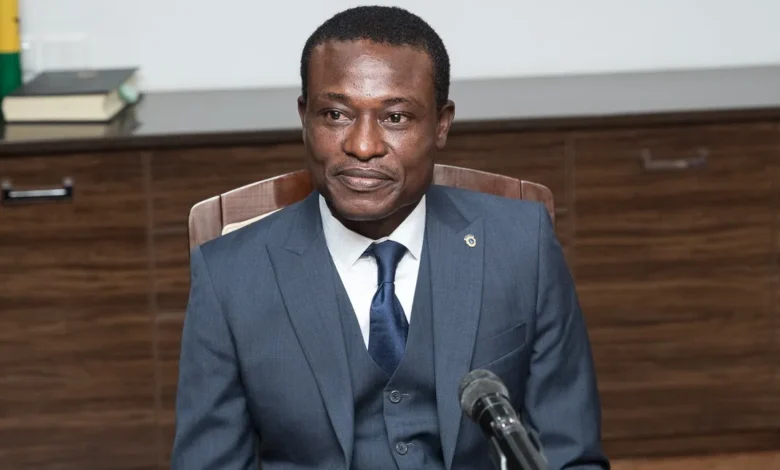
- Ayariga and Dafeamekpor have introduced a bill to repeal the Office of the Special Prosecutor Act, 2017 (Act 959)
- The bill seeks to return full anti-corruption powers to the Attorney-General and consolidate prosecutorial functions
- Lawmakers cite inefficiencies, high costs, and constitutional challenges as reasons for scrapping the OSP
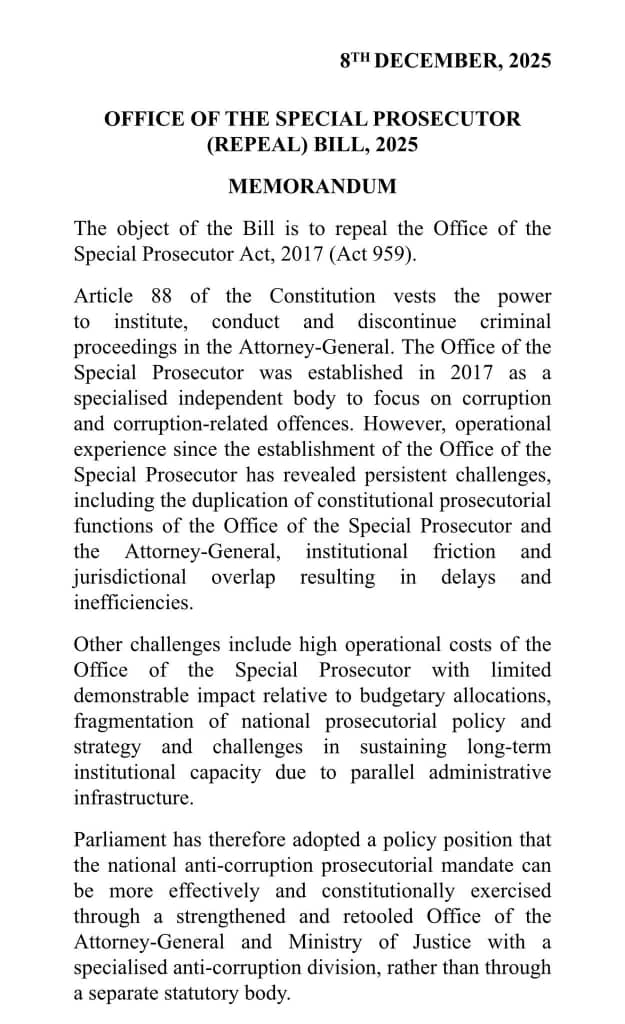
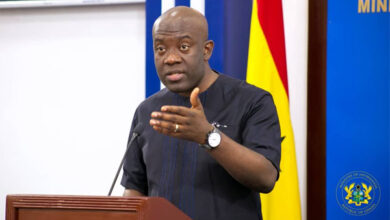
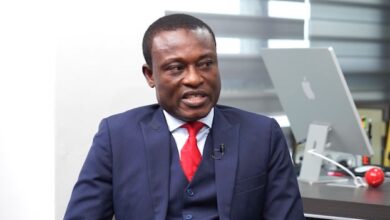
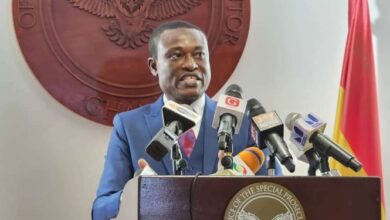
A Private Members’ Bill seeking to completely scrap the Office of the Special Prosecutor (OSP) has been introduced in Parliament by Majority Leader Mahama Ayariga and Majority Chief Whip Rockson-Nelson Dafeamekpor.
The proposed legislation aims to repeal the Office of the Special Prosecutor Act, 2017 (Act 959) and restore full authority over corruption-related prosecutions to the Attorney-General, as prescribed by Article 88 of the Constitution.
The accompanying memorandum argues that eight years of the OSP’s operation have exposed major constitutional and structural flaws hampering its effectiveness. It points to duplication of roles between the Special Prosecutor and the Attorney-General, jurisdictional conflicts, and delays in criminal cases—factors lawmakers say have weakened rather than strengthened Ghana’s anti-corruption regime.
The bill also raises concerns over the high cost of running the OSP, noting limited results despite substantial budget allocations. It cites fragmented prosecutorial policy and challenges in sustaining long-term institutional capacity due to parallel administrative systems.
Under the proposed arrangement, anti-corruption prosecutions would be consolidated under a fortified Attorney-General’s Office, which would establish a specialised anti-corruption division. The sponsors argue this approach promises greater efficiency, improved coordination, lower administrative overheads, and better use of skilled investigators and prosecutors.
Clause 1 of the draft legislation formally repeals Act 959 but preserves all existing regulations, instruments, and lawful actions undertaken by the OSP. Transitional costs, the bill states, will be absorbed within existing budgetary frameworks.

The proposal is expected to spark vigorous national debate in the coming weeks as stakeholders weigh its implications for Ghana’s anti-corruption architecture.
Meanwhile, former President John Dramani Mahama has criticised calls to dissolve the OSP, describing them as premature and urging the nation to give the institution more time to fulfil its mandate.