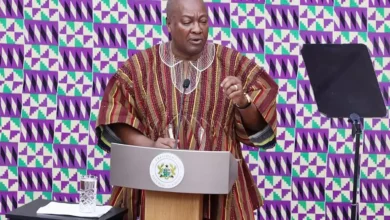
Oppong Nkrumah: 24-Hour Economy Must Be Driven by Demand
Ofoase-Ayirebi MP says round-the-clock operations will only succeed with strong economic fundamentals
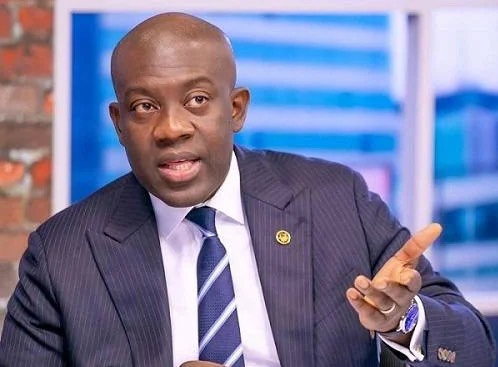
- Kojo Oppong Nkrumah says policy is achievable but demand-driven.
- Questions viability of enforced 24-hour operations without customers.
- Cites GIHOC’s scaled-back shift as cautionary example.
Member of Parliament for Ofoase-Ayirebi, Kojo Oppong Nkrumah, says Ghana’s proposed 24-hour economy is achievable but must be supported by strong consumer demand to be sustainable.
The policy, a flagship initiative of the administration of John Dramani Mahama, aims to encourage businesses to operate around the clock. Following extensive debate in Parliament, the bill was passed and an authority established to supervise its rollout.
The former Information Minister questioned the economic logic of mandating round-the-clock operations without sufficient market demand.
He cited the example of GIHOC Distilleries Company Limited, which initially announced a 24-hour operational model but later scaled back after determining it was not economically viable.
Mr. Oppong Nkrumah argued that while the concept of a 24-hour economy is workable, it must rest on solid economic fundamentals. According to him, when an economy generates adequate demand, businesses will naturally extend their operating hours without the need for a regulatory authority to compel them.
Using a practical illustration, he noted that no business owner would close shop if customers were present late at night ready to make purchases. He further pointed out that cities often cited as examples of successful 24-hour economies did not establish dedicated authorities but instead focused on building strong demand to sustain continuous operations.