Nine People Contract HIV Daily in Ashanti Region – Ghana AIDS Commission
Health authorities call for intensified testing, awareness, and treatment to curb rising infections
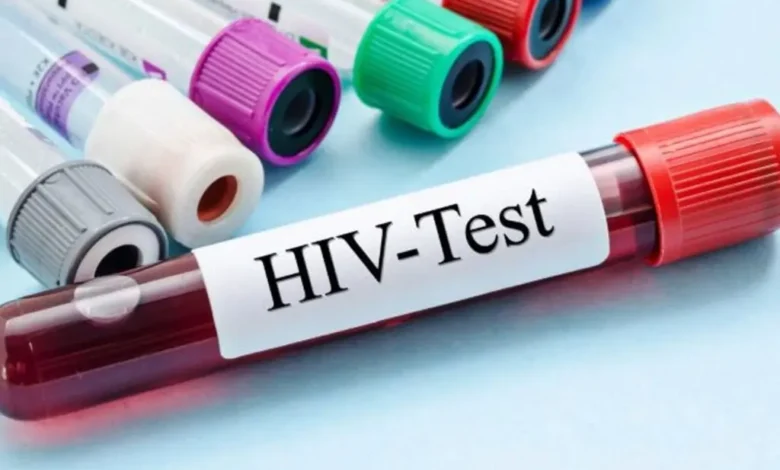
- The Ashanti Region recorded 2,997 new HIV infections in 2024, averaging nine new cases daily
- Health authorities warn that stigma and low treatment uptake, especially among men and youth, pose ongoing public health risks
- Officials call for intensified testing, public education, and community engagement to curb the rising HIV trend
Health officials in the Ashanti Region have expressed concern over the continued rise in new HIV infections, despite ongoing prevention efforts.
According to 2024 estimates from the Ghana AIDS Commission (GAC), the Ashanti Region recorded 2,997 new HIV cases last year, averaging about nine new infections per day. The Kumasi metropolitan area accounted for a large proportion of these cases, highlighting the need for stronger prevention and treatment strategies.
The Ashanti Regional Director of Health, Dr. Fred Adomako Boateng, told the Ghana News Agency that while progress has been made in HIV testing and treatment uptake, a significant number of people living with HIV are still not accessing antiretroviral therapy (ART).
“This gap poses a serious public health risk. We must improve testing, raise awareness, and make prevention services easily accessible across all communities,” Dr. Boateng said.
He added that efforts are ongoing to expand HIV testing and support services in and around Kumasi. However, stigma and discrimination continue to discourage many, particularly men and young people, from seeking testing and treatment.
“Knowing your status is the first and most powerful step in protecting yourself and those you love,” he stressed, urging residents to take advantage of free testing and counselling services at local health facilities.

The Ashanti Regional Technical Coordinator of GAC, Madam Olivia Graham, noted that women represent a larger share of infections, partly because more females test for HIV than males.
She also highlighted that young people aged 15–24 account for a significant proportion of new cases, calling for targeted education to reduce risky sexual behaviours among the youth.
Health authorities emphasized that reversing the rising HIV trend will require stronger community engagement, sustained public education, and support for everyone to know their status and remain on treatment when necessary.