Nigeria’s Defence Minister Resigns Amid Surge in Kidnappings
Resignation comes amid a surge in mass kidnappings and mounting security challenges across Nigeria
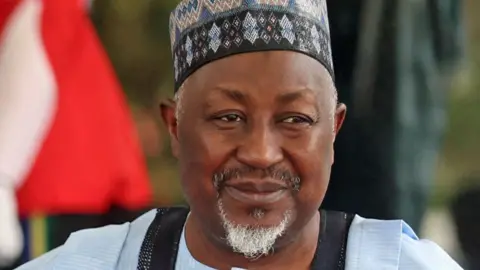
- Defence Minister Mohammed Badaru Abubakar resigns
- President Tinubu nominates retired General Christopher Musa
- Nigeria faces escalating kidnappings, insurgency, separatist violence, and clashes between herders and farmers
Nigeria’s Minister of Defence, Mohammed Badaru Abubakar, has resigned with immediate effect citing health reasons, the president’s office announced.
His departure comes amid rising insecurity across the country, including a recent spike in mass kidnappings.
The resignation coincides with alarming statistics: the UN High Commissioner for Human Rights reported that at least 402 people, mostly schoolchildren, have been abducted since mid-November.
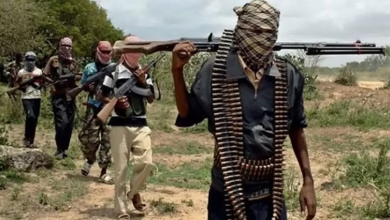
Last Sunday alone, gunmen kidnapped 20 people, including a Christian pastor and a Muslim bride with her bridesmaids, in northern Nigeria. About 250 schoolchildren and 12 teachers remain missing from a Catholic school in central Niger State, marking the largest recent mass kidnapping.
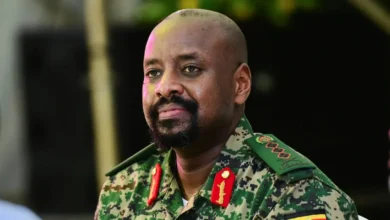
President Bola Tinubu has nominated retired General Christopher Musa as Abubakar’s replacement. The 58-year-old former Chief of Defence Staff (June 2023–October 2025) is recognized for leading major counter-insurgency operations against jihadist groups in the northeast and is considered one of Nigeria’s most experienced military strategists. His appointment is pending confirmation by the Nigerian Senate, after which he is expected to oversee a major security overhaul.
Abubakar, a two-term governor of Jigawa State (2015–2023), played a key role in Tinubu’s presidential campaign and was appointed Defence Minister in August 2023. The president’s office expressed gratitude for his “services to the nation” and highlighted ongoing security measures, including a national security emergency and plans to increase the police force to 50,000 officers.

Nigeria continues to grapple with multiple security crises, including kidnappings for ransom, Islamist insurgency in the northeast, separatist violence in the southeast, and clashes between herders and farmers in the central regions. Analysts cite corruption, poor intelligence sharing, and underfunded local policing as major obstacles to tackling these challenges.
International concern is growing: the US House Appropriations Committee is holding a roundtable on Christian persecution in Nigeria, and former US President Donald Trump threatened potential military intervention if attacks on Christians continue. Both Christians and Muslims, however, have been victims of violence. Recently, Nigeria’s National Security Adviser Mallam Nuhu Ribadu led a delegation to Washington to establish a US-Nigerian working group on defence and security cooperation.