New Species of Spinosaurus Discovered in Niger’s Sahara Desert
Fossils of a new Spinosaurus species, S. mirabilis, reveal a semi-aquatic predator with a towering cranial crest, reshaping understanding of Africa’s prehistoric rivers and ecosystems.
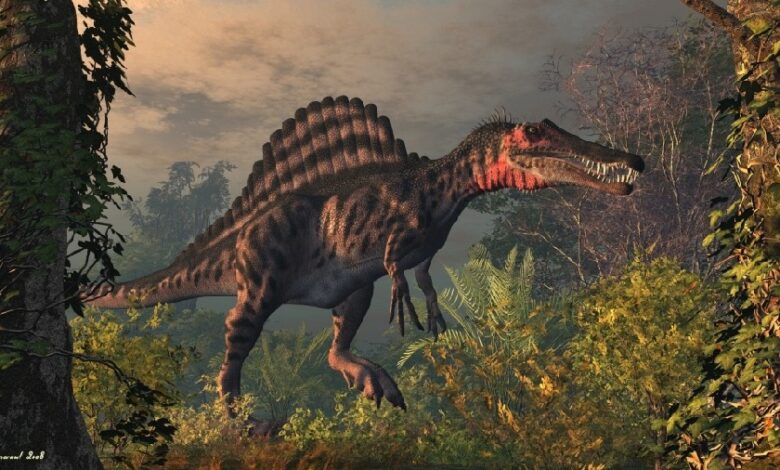
- Paleontologists have discovered a previously unknown species, Spinosaurus mirabilis, in Niger’s Sahara Desert
- The dinosaur had adaptations for hunting in rivers, including a long crocodile-like snout, interlocking teeth
- S. mirabilis had a large cranial crest likely used for display, a longer snout, and elongated hind limbs
Paleontologists exploring the remote Sahara Desert in Niger have discovered fossils of a previously unknown species of Spinosaurus, one of the largest carnivorous dinosaurs ever to roam the Earth, according to research published Thursday.
The newly identified species, named Spinosaurus mirabilis, lived approximately 95 million years ago during the Cretaceous Period and is notable for a tall, scimitar-shaped bony crest atop its skull. Scientists estimate that the dinosaur measured about 40 feet (12 metres) long and weighed between five and seven tonnes, placing it among the largest known predatory dinosaurs.
Unlike terrestrial hunters such as Tyrannosaurus rex, Spinosaurus mirabilis was adapted to a semi-aquatic lifestyle. Its long, crocodile-like snout and interlocking conical teeth were perfect for catching slippery prey, while the placement of its nostrils allowed it to breathe while most of its head remained submerged. Researchers believe it waded into rivers and shallow waterways to hunt fish, similar to the way modern herons feed.
Fossils—including parts of three skulls and other bones—were found hundreds of kilometres inland, far from any ancient coastline. This challenges previous ideas that Spinosaurus was a fully aquatic, open-ocean predator and instead supports the notion that it hunted in river systems within forested inland regions.
The prominent cranial crest was likely used for display rather than combat, possibly for attracting mates or asserting dominance over feeding territories. Scientists suggest the crest, probably covered in keratin, may have been brightly coloured in life.
Spinosaurus mirabilis is only the second confirmed species within the Spinosaurus genus, which was first described in 1915 with Spinosaurus aegyptiacus from Egypt. While both species shared the sail-like structure on their backs and adaptations for piscivory, the new species had a larger head crest, a longer snout, and more elongated hind limbs.

The fossils were discovered during a challenging 2022 expedition launched from Agadez, involving days of travel across harsh desert terrain. The team also uncovered fossils of other prehistoric animals preserved in sandstone formations.
Paleontologists say the discovery reshapes understanding of Spinosaurus ecology and highlights its status as one of the most unique and specialised predators of the dinosaur era, offering new insights into Africa’s prehistoric environment.