National Security Strategy “Gathering Dust” as Ghanaians Killed in Burkina Faso — Kwesi Aning
Security expert warns Ghana’s food dependence and policy inaction are exposing traders to deadly cross-border risks
- Strategy exists but lacks action.
- Trader killings expose food supply risks.
- Calls for urgent agricultural reform.
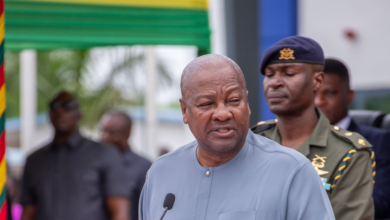
Security analyst Professor Kwesi Aning has criticised Ghana’s failure to fully implement its National Security Strategy, warning that the country is ill-prepared to confront mounting food security challenges and regional security threats.
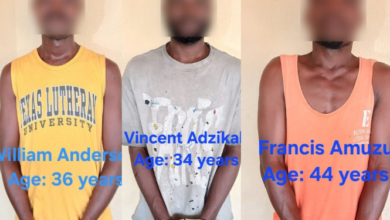
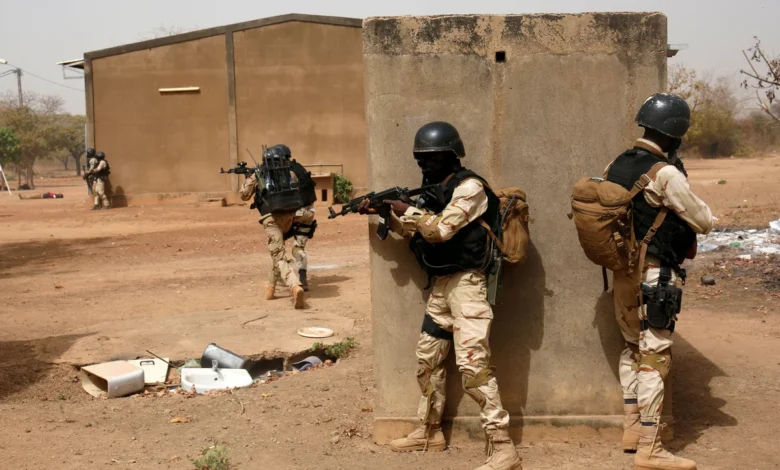
His remarks follow a deadly attack on Ghanaian tomato traders near Titao in Burkina Faso on Saturday, February 14, 2026, which claimed several lives and reignited concerns about the safety of cross-border trade in the Sahel.
Prof. Aning questioned why key national policy documents developed years ago to anticipate layered security risks have not translated into concrete action.
“We designed this document six years ago and identified multiple tiers of threats,” he said. “With a population of about 33 million, what percentage of our daily food needs are we actually producing locally?”
A lecturer at the Kofi Annan International Peacekeeping Training Centre, Prof. Aning stressed that Ghana’s reliance on food imports — particularly tomatoes and other produce from Burkina Faso — leaves the country vulnerable to external shocks as insecurity escalates across parts of West Africa.
He argued that rising population growth and demand require urgent structural reforms in agriculture, yet production levels have not kept pace.

“We have a booming population and growing demand, but we are not undertaking the transformation needed to secure our future food supply,” he noted. “If production remains stagnant, how do we meet future needs?”
The security consultant also highlighted systemic challenges facing local farmers, including limited access to labour, extension services and technical support. According to him, many farm workers now come from neighbouring countries, while agriculture continues to be undervalued domestically.
He criticised what he described as symbolic interventions — such as annual Farmers’ Day celebrations — instead of sustained investment in smallholder farmers.
“Once a year, we celebrate and reward the best farmer. But what about the small farmer who needs an extension officer or help managing crop diseases?” he asked.
Prof. Aning maintained that strengthening local agriculture is not merely an economic imperative but a national security priority, particularly amid growing extremist activity in the Sahel region.
Ghana depends heavily on tomato imports and cross-border trade from Burkina Faso, especially during off-seasons. In recent years, insecurity in the region has disrupted supply chains, driving up prices and affecting availability in markets across the country.
He called on policymakers to revisit existing national strategies and take bold steps to expand mechanised farming, improve extension services and encourage greater youth participation in agriculture.
“If we don’t act now,” he warned, “we will continue to expose our people to danger and leave our future food security to chance.”