The Minority in Parliament has fiercely criticised the government over the reduction in cocoa producer prices, insisting the decision is unjust to farmers and threatens the sustainability of the sector.
Ranking Member on the Food, Agriculture and Cocoa Affairs Committee, Isaac Yaw Opoku, speaking to the media on Thursday, February 12, described the move as shocking and unprecedented.
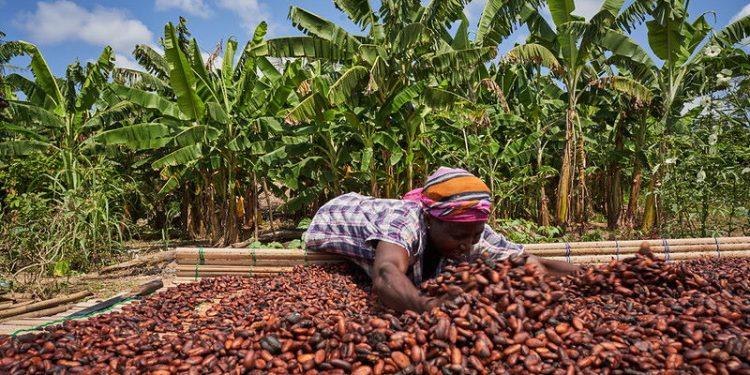
He noted that the producer price has been slashed from GH¢3,625 to GH¢2,587 per bag — a drop of more than GH¢1,000 — and argued that cocoa farmers continue to be denied the full benefits of the Free On Board (FOB) price.
“This has never happened. Why are we treating cocoa farmers this way? The cocoa farmer has never enjoyed the full benefit of the FOB price. Cocoa farmers have sacrificed for this country,” he said.
Dr. Opoku further called for public sector salary reductions to mirror the sharp decline in cocoa prices, questioning whether top officials at the Ghana Cocoa Board would also face similar cuts.
“If the cocoa farmer’s price is going to be reduced by almost 30 per cent, then everybody’s pay in this country should also be slashed by that margin. Is the Chief Executive Officer of COCOBOD’s salary and allowance going to be reduced by the same margin? Today is a sad day for the country. Cocoa farmers deserve better,” he stated.
The Minority’s reaction follows the government’s decision to reduce the producer price from GH¢51,660 to GH¢41,392 per tonne for the remainder of the 2025/2026 crop season — a move officials say is necessary to stabilise the cocoa sector amid mounting financial pressures.