Middle East Crisis: Ghana Faces Fuel Price Pressure, Not Shortage – Energy Ministry
Ghana’s Energy Ministry says the country has sufficient fuel stocks despite Middle East tensions, warning that price stability, not supply, is the immediate concern.
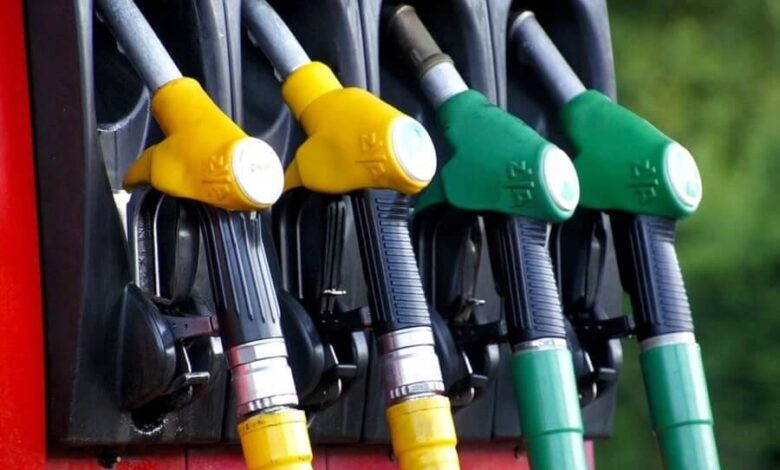
- Ghana currently has adequate fuel reserves, with stocks sufficient to meet short-term demand despite volatility in global oil markets.
- The Ministry of Energy emphasizes that rising global crude prices pose a greater risk to consumers than fuel availability.
- Fuel shipments already docked at Ghana’s ports could extend the country’s reserves to up to 10 weeks
Dr. Yussif Sulemana, Technical Advisor at Ghana’s Ministry of Energy and Green Transition, has assured that the country is not facing an immediate fuel supply shortage, despite escalating tensions in the Middle East.
His remarks come amid growing concerns of a potential oil crisis following the ongoing conflict between the US, Israel, and Iran, which analysts warn could disrupt global oil supply routes.
Global oil markets have experienced significant volatility in recent days, with crude prices exceeding $100 per barrel for the first time since 2022.
Speaking on the Citi Breakfast Show on Monday, March 9, 2026, Dr. Sulemana stated that Ghana currently has sufficient fuel stocks to meet short-term demand.
“We are not immediately threatened by supply or availability. What we are immediately threatened with is the price. Maintaining stable prices is the key challenge we are focusing on,” he explained.
He added that while global supply disruptions could impact markets over time, Ghana’s primary concern is ensuring adequate fuel availability.

Dr. Sulemana confirmed that the Tank Farm Operators (TOR) have been coordinating closely with the National Petroleum Authority (NPA) to maintain stable fuel supplies.
“Since our announcement, we have been working with the NPA, and they have assured us that supply levels can last beyond five weeks,” he said.
He also revealed that additional fuel shipments are already at the country’s ports, ready to be discharged, which could extend Ghana’s reserves significantly.
“If these ships are unloaded, our reserves could last up to 10 weeks,” Dr. Sulemana added.