Mahama Calls for Africa-Diaspora Unity as Reparations Debate Dominates Accra Summit
Mahama urges Africans at home and abroad to unite, pursue reparative justice, and harness the diaspora’s potential for Africa’s development
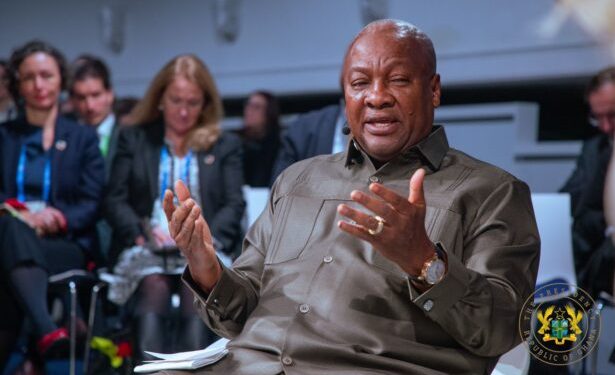
- President Mahama called for stronger unity between Africa and its diaspora to confront the enduring legacies of slavery, colonialism, and systemic injustice
- The Diaspora Summit 2025 positions the African diaspora as a key stakeholder in Ghana’s national development and Africa’s collective pursuit of justice
- Reparations, Mahama and summit participants emphasized, involve more than financial compensation—they include truth-telling
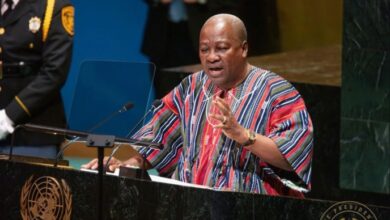
President John Dramani Mahama has called on Africans on the continent and in the diaspora to reclaim ownership of their history and future, emphasizing that lasting unity is essential to dismantling the enduring legacies of slavery, colonialism, and systemic injustice.
Speaking at the opening of the Diaspora Summit 2025 in Accra, Mahama said the gathering was designed not only to revisit historical pain but to address its consequences and chart a path forward based on truth, justice, and self-determination.
Hosted under the theme “Resetting Ghana: The Diaspora as the 17th Region”, the two-day summit aims to position the African diaspora as a central stakeholder in Ghana’s national development while advancing Africa’s collective pursuit of justice and healing.
President Mahama stressed that Africa could not afford to forget the historical crimes that shaped global inequality, nor allow others to define its narrative. Ghana’s forts and castles, he said, remain stark reminders that the story of the diaspora is inseparable from that of the nation, as many enslaved Africans passed through Ghana’s coast.
Highlighting the divisions that continue to weaken African peoples, Mahama urged Africans and the diaspora to be “more intentional about unity than our oppressors were about division,” noting that reparative justice extends beyond financial compensation to include acknowledgement of wrongdoing, institutional reforms, debt relief, repatriation of stolen cultural artefacts, and sustained investment in Africa’s development.
He reaffirmed Ghana’s plan to table a motion at the United Nations General Assembly to formally recognize the transatlantic slave trade as the greatest crime against humanity, a step he called vital for global accountability and healing.

Speakers at the Summit, including Togolese President Faure Gnassingbé, AU High Representative Dr. Mohamed Ibn Chambas, and U.S. civil rights attorney Benjamin Crump, echoed Mahama’s message. They highlighted reparations as essential for Africa’s development, collective healing, and leveraging diaspora networks to accelerate trade, innovation, and investment across the continent.
Ghana’s Foreign Minister, Samuel Okudzeto Ablakwa, described the diaspora’s recognition as the 17th Region as a practical expression of Pan-Africanism and a step toward turning reparations discourse into coordinated global action backed by policy, diplomacy, and strategic partnerships.
The Summit, according to Mahama and other participants, signals a new era in Africa-diaspora relations—one anchored in justice, truth, and unity, aimed at addressing intergenerational trauma and creating a shared path toward prosperity.