Iran’s New Supreme Leader Mojtaba Khamenei ‘Lightly Injured’
Absence from Public Spurs Speculation as Official Confirms Minor Wounds Amid Ongoing Strikes
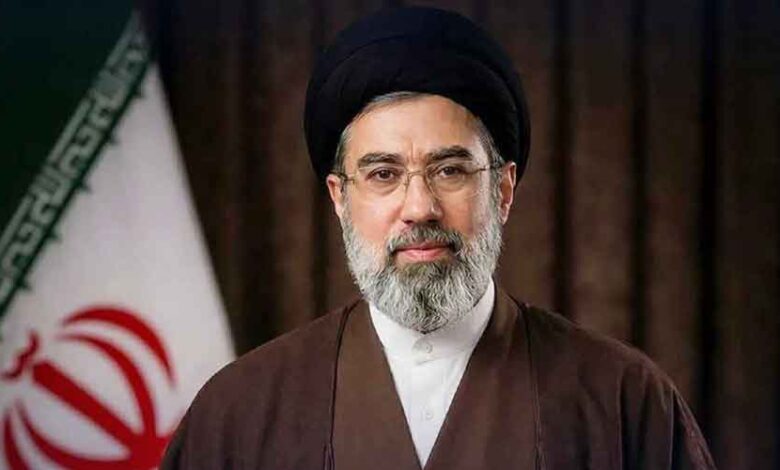
- Mojtaba Khamenei lightly injured in recent strikes but remains in command.
- Succeeded his father, Ayatollah Ali Khamenei, who was killed in Feb. 28 attacks.
- Family members including his mother, sister, and wife were also killed in the strikes.
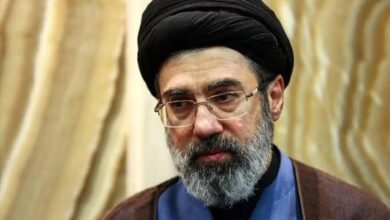
Iran’s newly appointed Supreme Leader, Mojtaba Khamenei, was lightly injured during recent Israeli and U.S. strikes but continues to oversee state affairs, an Iranian official confirmed on Wednesday.
Khamenei, who was selected on Sunday by a clerical assembly to succeed his father, Ayatollah Ali Khamenei—killed in the first wave of strikes on February 28—has not appeared publicly or issued a statement since his appointment. His absence has fueled speculation about his health.
Iranian state television reported that the new leader was wounded during the ongoing conflict. A government official told Reuters that Khamenei sustained minor injuries but is actively performing his duties. Details regarding the timing of the injury or the reason for his public absence were not provided.
The initial strikes reportedly targeted Iran’s senior leadership, resulting in the deaths of Ali Khamenei as well as Mojtaba Khamenei’s mother, sister, and wife.
In a broadcast statement, an Iranian newsreader described the new leader as inheriting “the blood of the martyrs” from his family:
“His Eminence Ayatollah Seyyed Mojtaba Khamenei is today the heir to the blood of his martyred father, mother, sister, and wife,” the presenter said, calling him a wounded veteran of what Iranian officials have labeled the “Ramadan War,” in reference to the conflict occurring during the Islamic fasting month.

An Israeli official familiar with intelligence assessments also confirmed that Mojtaba Khamenei was lightly wounded, which may explain his lack of public appearances.
Sources previously told Reuters that Khamenei’s rise to the position of supreme leader was strongly backed by Iran’s Islamic Revolutionary Guard Corps.
For years, Mojtaba Khamenei managed his father’s influential office, known in Persian as the beyt, giving him substantial authority over state affairs despite maintaining a low public profile. Unlike many senior clerics, he rarely appears in public or delivers speeches, and remains largely unknown to the broader Iranian public, though he wields significant influence within the ruling establishment.