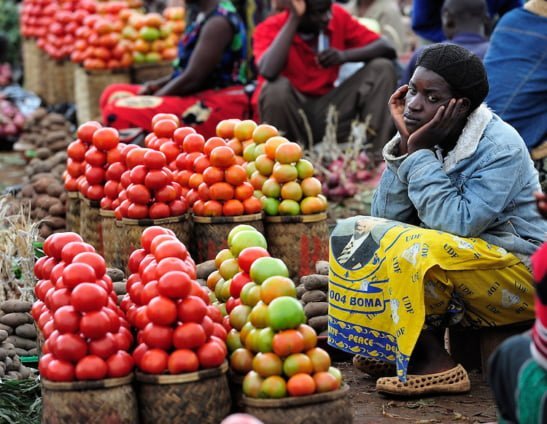
Seven out of every 10 Ghanaians are worried about rising food prices and the increasing cost of living, according to a new survey by the Institute of Economic Affairs (IEA), underscoring ongoing economic anxiety across the country.
The findings, released in a press statement dated February 11, 2026, reveal that 71 percent of respondents are very concerned about the high cost of food and other consumer goods. The poll, conducted in December 2025, sampled more than 1,000 respondents across all regions of Ghana.
Beyond food inflation, unemployment and illegal mining also emerged as major national concerns. About 46 percent of those surveyed identified unemployment as one of the most pressing challenges facing the country, while 30 percent pointed to illegal mining as a key issue.
The IEA explained that the survey was conducted to gauge public opinion on prevailing socioeconomic pressures one year after the 2024 general election and to assess perceptions of President John Dramani Mahama’s performance in office.
Despite widespread economic concerns, the President continues to enjoy strong public approval. The survey shows that 68 percent of respondents approve of the way President Mahama is handling his job, while 22 percent disapprove and 10 percent remain undecided.
President Mahama assumed office on January 7, 2025, at a time of high public expectations and significant economic challenges, including high public debt, inflation, a weakening currency, unemployment, and concerns about the size of government.
According to the IEA, although some key economic indicators appear to be improving, many Ghanaians are still grappling with substantial socioeconomic difficulties.
Overall, the survey paints a mixed national picture—strong public approval for the President’s leadership alongside persistent concern over rising living costs and economic pressures on households.