Highlife Legend Daddy Lumba Finally Laid to Rest After Months of Legal Disputes
Funeral held in Kumasi after court injunction over marriage, authority and postmortem collapsed
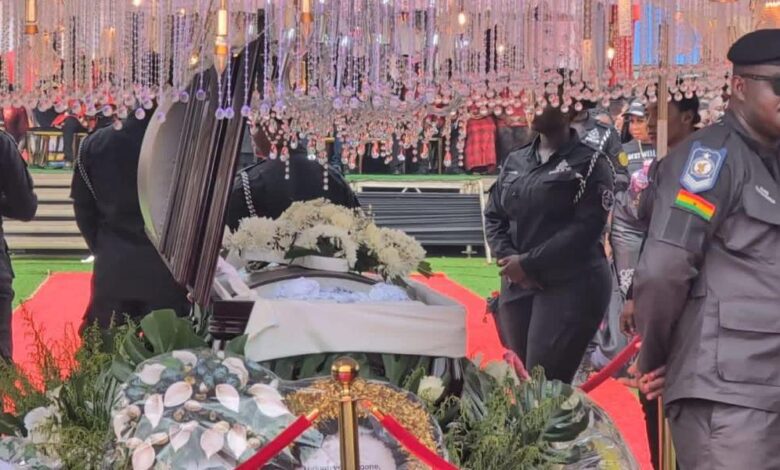
- The funeral proceeded after a court injunction collapsed when a GH₵2 million bond was not paid by the applicants
- Burial delays were caused by court battles over marital status, burial authority and a demand for an independent postmortem
- Thousands gathered at Baba Yara Sports Stadium in Kumasi as Ghana bid farewell to the highlife legend
Ghana’s highlife icon, Charles Kwadwo Fosuh, popularly known as Daddy Lumba, has finally been laid to rest—bringing closure to months of intense legal, cultural and emotional battles that nearly overshadowed his final farewell.
The Baba Yara Sports Stadium in Kumasi was transformed into a national shrine on December 13, 2025, as thousands of mourners gathered to honour the legendary musician who passed away on July 26, 2025. What unfolded was more than a funeral; it was the dramatic resolution of a bitter legal tussle that had delayed his burial and captivated public attention.
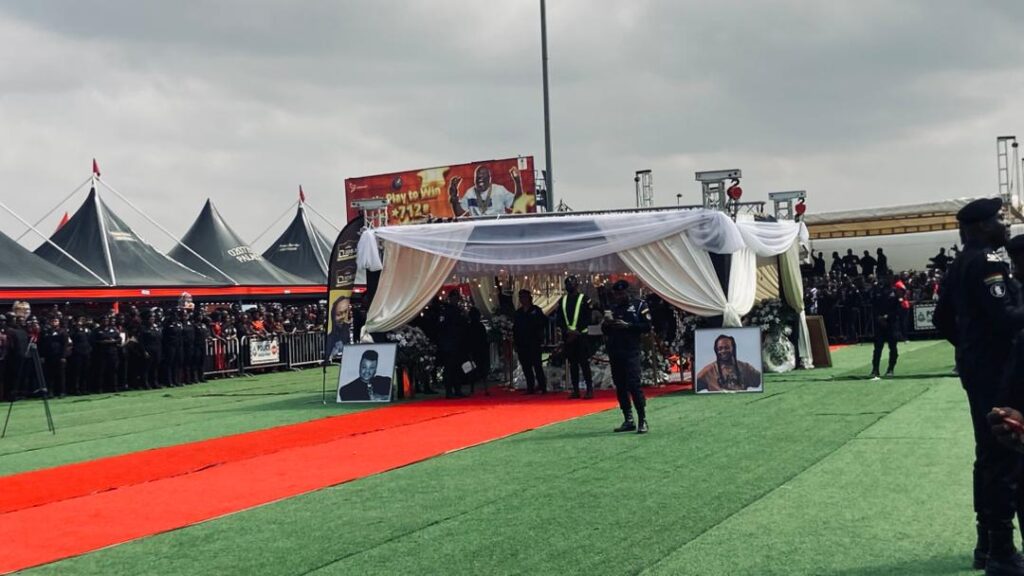
Originally scheduled for December 6, the funeral was postponed amid court injunctions sparked by disputes within the musician’s family. At the centre of the controversy were competing claims of marital and customary authority—pitting the German-registered statutory marriage of Akosua Serwaa Fosuh against the customary recognition of Priscilla Ofori, widely known as Odo Broni.
In a pivotal November ruling, a Kumasi High Court affirmed the legal standing of both women, with Akosua Serwaa failing to establish exclusive status as Daddy Lumba’s surviving spouse. The case also challenged the sole authority of the Abusuapanyin (family head) over burial arrangements, raising broader questions about the intersection of Ghana’s customary law and statutory justice system.
The legal tension intensified when Lumba’s maternal relatives and sister secured an injunction seeking to halt the funeral. They alleged exclusion from planning and demanded an independent postmortem, disputing claims that the musician died after a “short illness.” The move was seen as a direct challenge to traditional Akan burial customs.

In a dramatic final twist, an Accra High Court initially granted the injunction but later allowed the funeral to proceed after the applicants failed to meet a GH₵2 million bond requirement within the stipulated time. The decision cleared the way for the burial, with lawyers describing it as a major relief and a defining moment in Ghana’s legal pluralism.
One of the most poignant scenes of the day was the arrival of Daddy Lumba’s three children with Akosua Serwaa, led by their eldest brother, Calvin Fosuh. They publicly distanced themselves from the lawsuit filed by their maternal relatives and quietly paid their last respects—an act that resonated deeply with mourners.
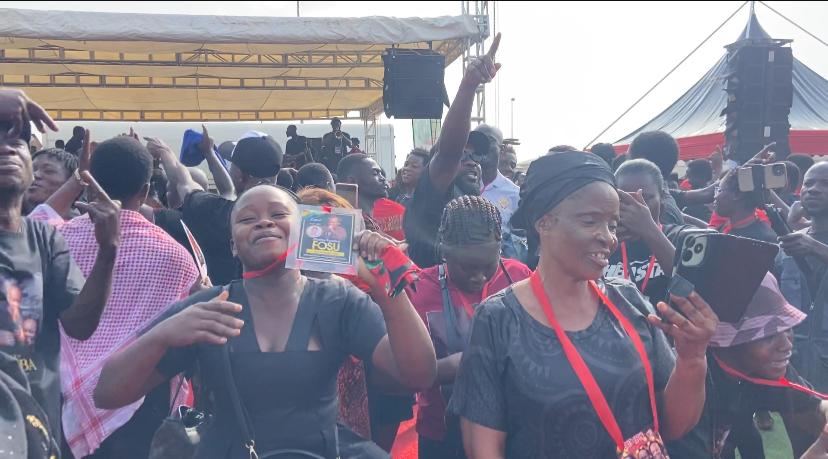
The stadium pulsed with emotion as fans, musicians and dignitaries reflected on the weight of the moment. “They made him a case study for our laws,” one elderly fan lamented. President John Dramani Mahama had earlier conveyed the nation’s grief in a condolence message, while the NDC, led by Chairman Johnson Asiedu Nketiah, supported the funeral with a GH₵50,000 donation.
Also present were Abusuapanyin Kofi Owusu, Ashanti Regional Minister Frank Amoakohene, former Vice President Dr. Mahamudu Bawumia, and prominent businessmen Osei Kwame Despite and Akwasi Sarpong—a testament to Daddy Lumba’s immense cultural, political and commercial influence.
Inside the packed stadium, it was the music that ultimately united all sides. When longtime collaborator Nana Acheampong mounted the stage, decades of shared history flowed through an emotional performance that left many in tears.
With over 30 albums and an unmatched legacy in Ghanaian music, Daddy Lumba’s life proved as layered and dramatic as his songs. After the public ceremony, he was laid to rest at a private, undisclosed location.
As mourners swayed in muted traditional cloth to his timeless melodies, one truth stood firm: the music has the final word. Ghana has said goodbye, but Daddy Lumba’s voice—rich, defiant and eternal—will continue to echo in the nation’s heart.