Ashanti and Eastern Regions Record Highest Number of Poor People in Ghana
More than one million people in each region are multidimensionally poor despite lower poverty incidence rates
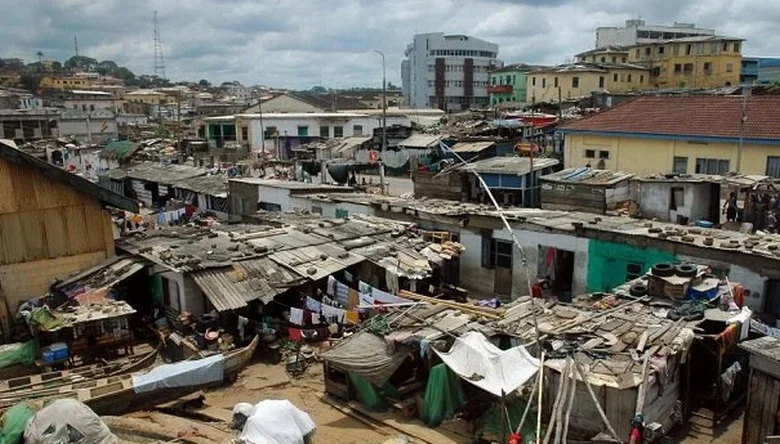
- Ashanti and Eastern regions now have the highest number of multidimensionally poor people in Ghana, each exceeding one million
- Poverty remains higher in rural areas (31.9%) than urban areas (14.2%)
- Structural deprivations such as lack of health insurance, poor nutrition, and overcrowding remain the main drivers of poverty
Ashanti and Eastern regions have emerged as the biggest contributors to Ghana’s multidimensional poverty figures, each recording more than one million poor people, a development that highlights how population size is increasingly shaping the country’s poverty landscape even as overall indicators show gradual improvement.
Although North East and Savannah regions continue to record the highest poverty incidence rates — both exceeding 50 per cent — the latest data shows that highly populated regions are now carrying the largest absolute burden of deprivation.
Nationally, poverty remains deeply divided along rural and urban lines. In the third quarter of 2025, multidimensional poverty in rural areas stood at 31.9 per cent, more than twice the 14.2 per cent recorded in urban centres, pointing to persistent inequalities in access to basic services and economic opportunities.
Greater Accra and the Western Region recorded the lowest poverty incidence, both remaining below 20 per cent, further underscoring wide regional disparities that call for targeted, location-specific policy interventions.
The underlying drivers of poverty remain largely structural. Poor living conditions and health-related deprivations dominate, with lack of health insurance coverage accounting for 26.5 per cent of multidimensional poverty. This is followed by nutrition (14.4 per cent), employment (12.3 per cent), school attendance (8.5 per cent), overcrowding (8.4 per cent), and limited access to toilet facilities (8.0 per cent) as of Q3 2025.
However, the report also points to emerging pressures that could threaten recent gains. Between Q2 and Q3 2025, deprivation linked to overcrowding nearly doubled, rising from 11.4 per cent to 21.6 per cent, while school attendance deprivation increased from 7.0 per cent to 9.4 per cent.

Employment deprivation also rose marginally from 3.8 per cent to 4.5 per cent, signalling growing vulnerability in labour market outcomes among poor households.
Overall, the data suggests that poverty reduction in Ghana is no longer defined solely by where poverty is most severe, but increasingly by where the largest numbers of people are affected — a shift with far-reaching implications for public spending priorities, infrastructure development, and the design of social protection programmes.