Life Sentence for Man Who Killed Former Japanese Prime Minister Shinzo Abe
Former Japanese Prime Minister Shinzo Abe killed over alleged church ties; assailant receives life sentence.
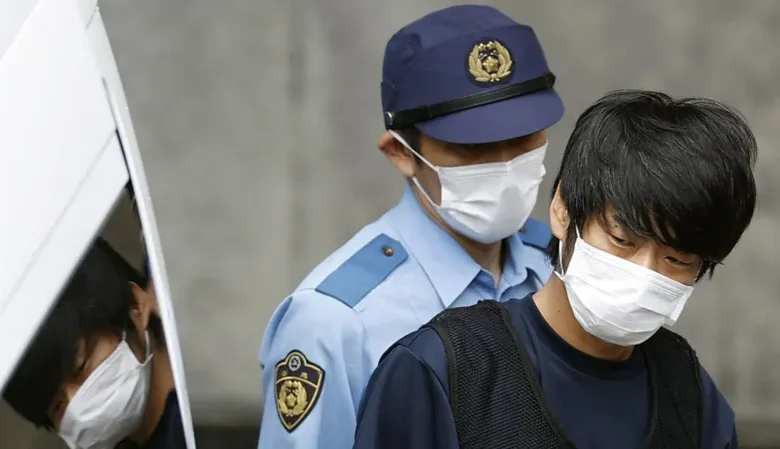
- Tetsuya Yamagami sentenced to life without parole for assassinating Shinzo Abe in 2022.
- Killer claimed Abe was linked to the Unification Church, which caused financial harm to his family.
- Abe’s widow expressed profound grief; case exposed political and religious controversies in Japan.
Tetsuya Yamagami, the man who assassinated former Japanese Prime Minister Shinzo Abe in 2022, has been sentenced to life in prison without parole. The ruling comes three and a half years after Yamagami shot Abe during a campaign rally in Nara.
Yamagami, 45, had pleaded guilty to murder charges at the start of his trial in 2025. While some in Japan viewed him as a cold-blooded killer, others expressed sympathy for his troubled upbringing. His defense argued that he had been a victim of “religious abuse,” claiming that his mother’s devotion to the Unification Church had financially ruined the family. Yamagami said he targeted Abe after learning of the former prime minister’s ties to the controversial organization.
Judge Shinichi Tanaka of the Nara District Court described the killing as “despicable and extremely malicious” and imposed the life sentence as requested by prosecutors. Yamagami remained quiet with hands clasped and eyes downcast as the verdict was delivered.
Abe, Japan’s longest-serving prime minister, was shot with a homemade gun constructed from metal pipes and duct tape on 8 July 2022. His death shocked Japan, a country with very low gun crime, and led to investigations into the Unification Church and its links to several politicians, prompting the resignations of multiple cabinet ministers.
In court, Yamagami admitted that Abe was not his original target; he had initially intended to attack church executives. Abe’s widow, Akie Abe, delivered an emotional statement, saying the grief of losing her husband “will never be relieved.”
The case highlighted tensions over the influence of religious organizations in Japan and left the nation reflecting on the assassination of one of its most prominent political figures.