Petitions Against EC Bosses and Special Prosecutor Forwarded to Chief Justice – Kwakye Ofosu
President’s role ends after forwarding petitions; Chief Justice to determine if prima facie case exists
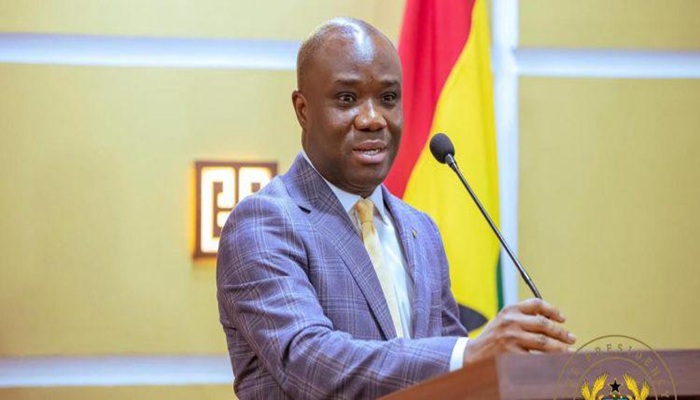
- Ten petitions against the Special Prosecutor and EC leadership have been forwarded to the Chief Justice for review
- The President’s role ends once petitions are submitted
- Complaints allege misconduct and abuse of office
Minister in Charge of Government Communications, Felix Kwakye Ofosu, has confirmed that ten petitions filed against Special Prosecutor Kissi Agyebeng and Electoral Commission (EC) Chair Jean Mensa and her two deputies have been officially forwarded to Chief Justice Paul Baffoe-Bonnie for review.
Speaking at the Government Accountability Series in Accra on Wednesday, January 14, Kwakye Ofosu clarified that the President’s role ends once the petitions are conveyed to the Chief Justice.
He emphasized that the Office of the President cannot comment further until the Chief Justice determines whether the petitions meet the threshold for a prima facie case.
“Unlike petitions against the Chief Justice, the President’s responsibility in matters concerning the Special Prosecutor and the Electoral Commissioner and her deputies ends with forwarding the petitions to the appropriate authority—in this case, the Chief Justice—which was done a few weeks ago,” he explained.
Ofosu added that seven petitions target the Electoral Commission leadership, while three are directed at the Special Prosecutor. The complaints against Agyebeng allege incompetence and abuse of office, whereas those against the EC leadership focus on accountability and administrative management.
Under Section 16 of the Office of the Special Prosecutor Act, 2017 (Act 959), any petition seeking the removal of the Special Prosecutor must follow a structured legal process. The President is required to forward petitions to the Chief Justice within seven days. The Chief Justice then has 30 days to determine if there is sufficient evidence for a prima facie case.

If a case is found, the Chief Justice forms a three-member committee to investigate and submit recommendations to the President, who is legally bound to act on the findings.
Kissi Agyebeng, who assumed office in 2021 following Martin Amidu, has been both praised for promoting accountability and criticized for alleged shortcomings in fulfilling the OSP’s mandate.
Legal experts, including Martin Kpebu, have expressed concern over certain actions, such as allowing former Finance Minister Ken Ofori-Atta to leave Ghana while under investigation.